
Every pilgrim needs one vaccine for Hajj or Umrah, and it is the certificate, not the jab, that most often causes problems. If it is dated less than ten days before you land, or it does not say which type of vaccine you had, Saudi Arabia can treat it as invalid or cut its life from five years to three.
This guide sets out what Saudi Arabia requires, what we recommend on top for your own protection, and how early to book for Hajj 2027 or an Umrah trip at any time of year. We give Hajj and Umrah vaccinations, including the meningitis ACWY vaccine and certificate, at Evans Pharmacy in Malvern and Claines Pharmacy in Worcester.
What Saudi Arabia requires
These are the rules set by the Saudi Ministry of Health for the 1447H (2026) season. They are reissued every year, and we check the current version at your appointment.
The certificate: where pilgrims get caught out
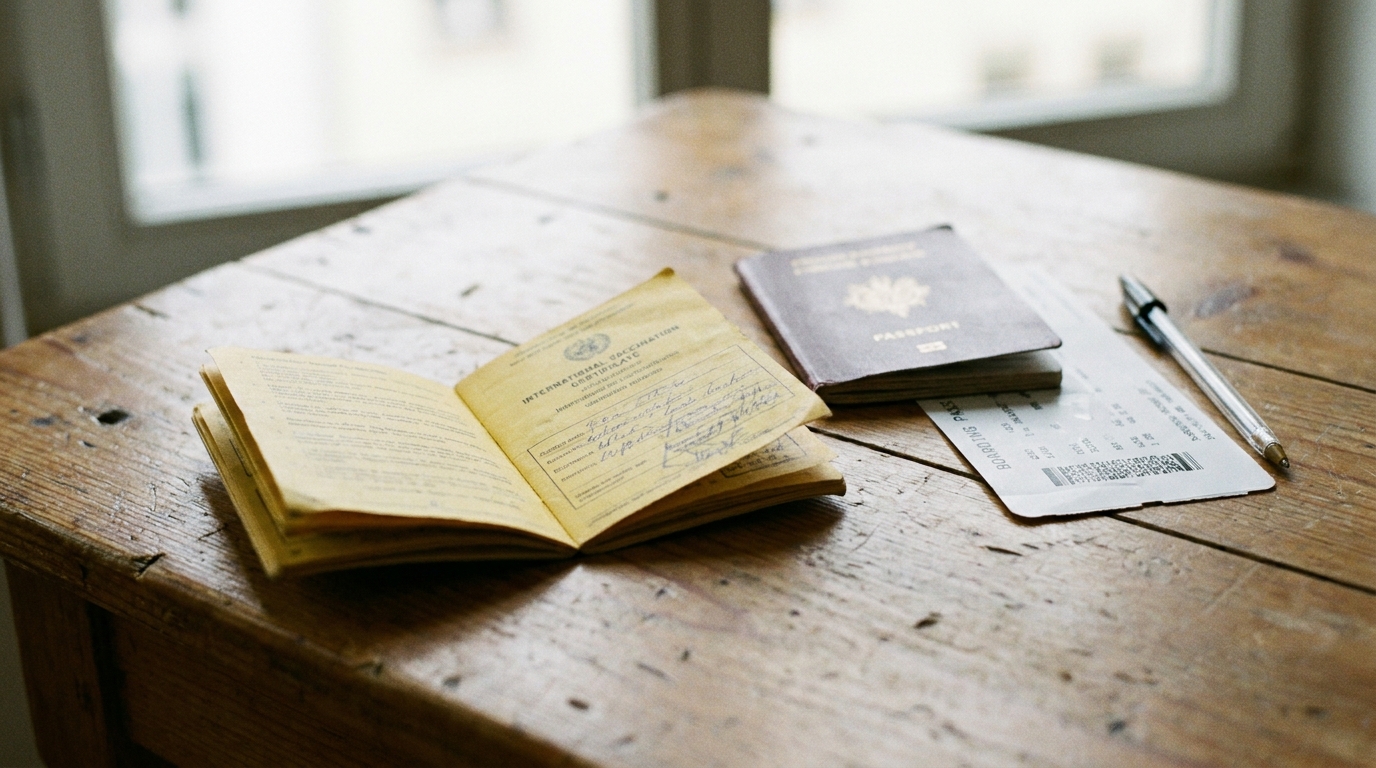
Having the vaccine is only half of it. Saudi Arabia checks the proof, and three details decide whether that proof counts.
For Hajj 2027 there is an extra step. The Saudi Ministry of Hajj and Umrah has told Hajj missions that every pilgrim must upload a medical certificate, showing the required vaccinations, to the Nusuk platform before a visa is issued. That moves the vaccination deadline earlier than many pilgrims expect: in practice it needs to be done before your visa application, not just before your flight.
What we recommend for your own protection
The required vaccine is about entry. These are about staying well, and they are what we talk through at your appointment once the ACWY question is settled.
For some trips, rabies pre-exposure vaccination is also worth discussing, particularly if you are travelling beyond Makkah and Madinah. It does not replace urgent treatment after an animal bite, scratch or lick.
Hajj 2027: when to book
Hajj 1448 is expected to fall between 14 and 19 May 2027, with the Day of Arafah on or around 15 May. The final dates depend on the sighting of the moon.
Umrah, all year round
Umrah can be performed at any time of year, and the meningitis ACWY requirement applies whenever you go. Ramadan is the busiest Umrah season, and in 2027 it is expected to begin in early February, so the winter months are when we see the most Umrah pilgrims.
The rules for Umrah are set separately from Hajj and are reissued each season. For 1447H (2026), the main differences were around COVID-19, which applied to higher-risk groups for Umrah rather than to all pilgrims. If you had an ACWY conjugate vaccine for a previous trip within the last five years and your certificate states the type, you may not need another dose.

Staying well on the pilgrimage
Vaccines cover a few specific risks. Most of what goes wrong on Hajj and Umrah is prevented by everyday precautions.
Heat. Temperatures in Makkah can pass 30°C even in winter and are far higher in summer. Drink plenty of water, rest in the shade where you can, and use a high-factor sunscreen. If you take medicines that affect hydration, such as diuretics, ask your GP whether they need adjusting.
Feet. Pilgrims walk long distances, often barefoot or in sandals on hot surfaces. Minor foot injuries are common and can become infected, particularly for people with diabetes. Pack plasters, antiseptic and comfortable footwear.
Respiratory infections and MERS. Wash or sanitise your hands often and avoid sharing cups. MERS is a rare but serious respiratory virus linked to camels, so avoid contact with camels and do not drink raw camel milk. If you develop a fever, cough or breathlessness within 14 days of returning, contact your GP or NHS 111 and say where you have been.
Food and water. Choose freshly cooked food, drink bottled or safe water, and carry oral rehydration salts in case of diarrhoea.
What it costs
We plan everything your trip needs at one appointment. All prices match our current price list.
Ask our AI agent
Got a question this guide has not answered? Our AI agent can help with Hajj and Umrah vaccinations, prices and booking, day or night. It cannot decide whether a vaccine is right for you; that happens at your consultation.
Frequently asked questions
Which vaccines are mandatory for Umrah?
The meningitis ACWY vaccine is required for every Umrah pilgrim, given at least 10 days before arrival. COVID-19 vaccination has applied to higher-risk groups. Polio and yellow fever apply only if you are travelling from or through listed countries, which does not include a direct flight from the UK.
Which vaccines are mandatory for Hajj?
Meningitis ACWY for every pilgrim, at least 10 days before arrival, plus the COVID-19 requirement for pilgrims aged 12 and over under recent Saudi rules. For Hajj 2027, pilgrims also need to upload a medical certificate to Nusuk before their visa is issued.
How long does the meningitis ACWY certificate last for Umrah?
Five years for a conjugate vaccine and three years for a polysaccharide vaccine. If your certificate does not state the type, Saudi Arabia treats it as valid for three years.
How long before travel do I need the ACWY vaccine?
At least 10 days before you arrive in Saudi Arabia. For Hajj, aim to have it before your visa application, because the medical certificate has to be uploaded first.
I had the ACWY vaccine at school. Does that count?
Probably not for this trip. Most people vaccinated at school had it more than five years ago, and a school record rarely meets the certificate requirements. Bring whatever records you have and we will check.
Is the flu jab required for Hajj or Umrah?
It is recommended rather than required. Respiratory infections are the most common illness among pilgrims, so it is well worth having, and if you qualify for an NHS flu jab this winter, have it. If not, our private flu vaccine is £22.99.
Do children need the ACWY vaccine for Umrah?
The Saudi requirement applies to pilgrims aged one year and over. Bring the whole family to one appointment and we will advise on the right vaccine for each child’s age.
Do you charge for the meningitis certificate?
No. The certificate is included with your £55 ACWY vaccination. We use Nimenrix, a conjugate vaccine, and record the vaccine type so the certificate is accepted for five years.
Do I need hepatitis B for Hajj?
It is recommended because of the risk from shared or reused blades during head shaving. Use a licensed barber or bring your own disposable razor.
Can I have all my Hajj vaccinations in one appointment?
Usually, yes. The ACWY vaccine, a DTP booster and the first hepatitis B dose can normally be given at the same visit, with the remaining hepatitis B doses planned around your travel date.
Written by the Malvern Travel Clinic team and based on Saudi Ministry of Health pilgrimage requirements and NaTHNaC TravelHealthPro guidance current at the date of review.
This guide is general information, not medical advice; your consultation determines what is right for you.


