
Chikungunya and dengue are spread by the same mosquitoes, turn up in many of the same countries and start in almost the same way, with a sudden high fever a few days after a bite. They are not the same illness, though, and the vaccines for them work very differently.
This page sets the two side by side: how they differ, where UK travellers are catching them, which vaccines exist, and why one set of habits protects you from both. We give both vaccines at Evans Pharmacy in Malvern and Claines Pharmacy in Worcester, and we are happy to talk through either at the same appointment.
Side by side
Both are carried by Aedes mosquitoes, which bite mainly during the day, from dawn to dusk, and can bite at night in well-lit areas. Neither has a specific antiviral treatment: care is rest, fluids and pain relief, with hospital care for severe dengue. The same mosquitoes also carry Zika, which has no vaccine at all.

How to tell them apart
In the first few days you often cannot, and nor can a clinician without a blood test. The differences show up as the illness goes on.
With chikungunya, the joints dominate. The pain is often severe enough to make walking or gripping difficult, and in a minority it lasts for months or years, most often in the ankles, wrists and hands. Deaths are rare, at roughly one in a thousand cases, and are concentrated in babies, the elderly and people with other health problems.
With dengue, the thing to watch is what happens as the fever settles. A small proportion of people develop severe dengue, and the warning signs include easy bruising, bleeding from the gums or eyes and severe abdominal pain. People catching dengue for the second time are at greater risk of severe illness, which is one reason previous infection matters so much in the vaccine advice below.
Where UK travellers catch them
The latest UK figures, for 2025, show 344 dengue cases and 160 chikungunya cases in returning travellers. Dengue fell sharply from 904 cases in 2024, while chikungunya rose by 43%.
The top sources overlap but are not identical. Dengue cases came mostly from India, Thailand and Indonesia. Chikungunya cases came mostly from Sri Lanka, India and Bangladesh, after a large outbreak in Sri Lanka. Both viruses circulate across tropical Asia, the Americas and Africa, and both follow outbreaks that shift from year to year, so we check the current picture for your destination at your appointment.
The vaccines are very different
The chikungunya vaccine is the simpler of the two. One dose, no live virus, and it is not ruled out by common long-term conditions such as diabetes or high blood pressure. The question is mostly whether your trip fits the groups current guidance highlights, which our chikungunya vaccine guide helps you work out.
Dengue vaccination is more selective. UK advice is that Qdenga is offered mainly to people aged four and over who have had dengue before, or are likely to have had it, and are travelling to areas where it is common, because that is where the protection against severe disease matters most. For people who have never had dengue it may be considered after a discussion of the risks. As a live vaccine it is not given in pregnancy, while breastfeeding, or to anyone with a weakened immune system. Our dengue fever vaccination page has the details.
Not sure which, if either, you need? We can assess both at one appointment. Book your travel consultation in Malvern or book your travel consultation in Worcester.
One set of habits protects against both
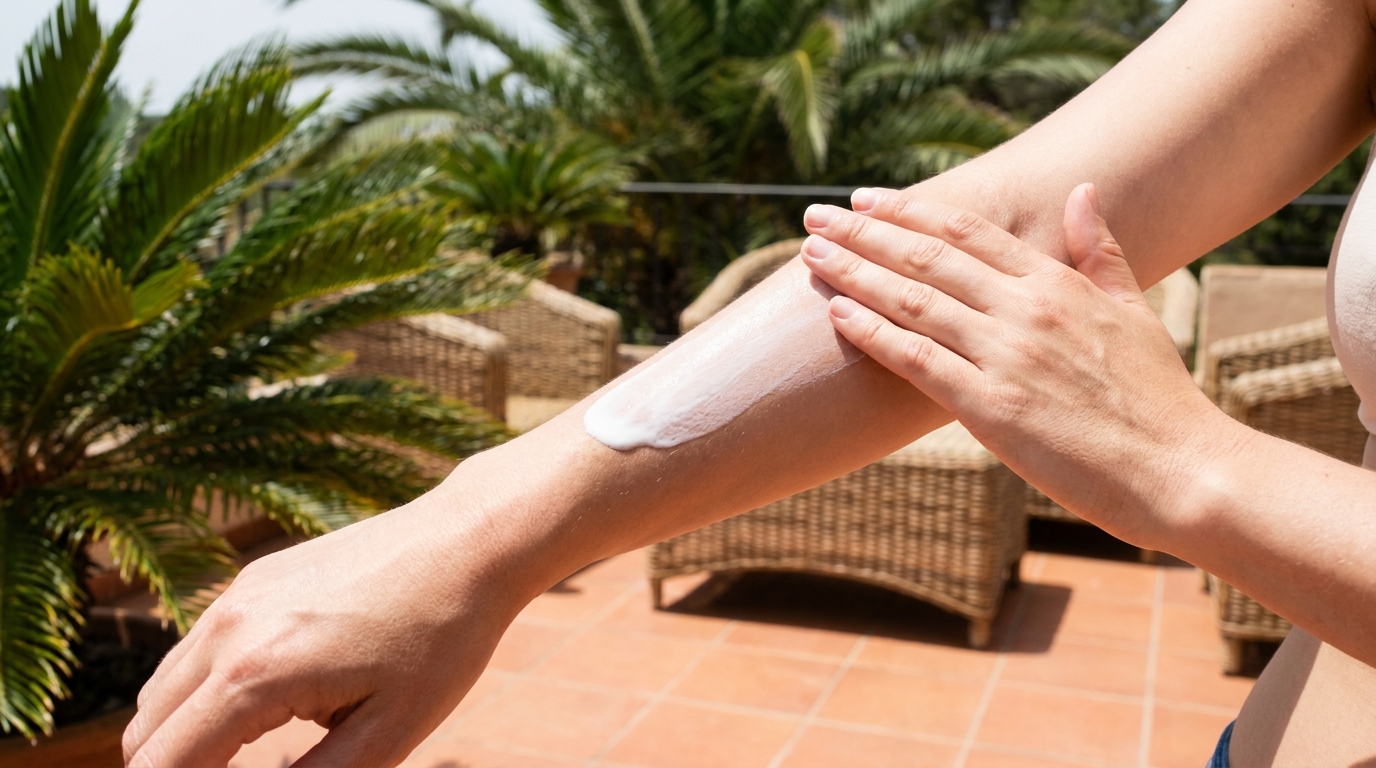
Because the same mosquitoes carry chikungunya, dengue and Zika, bite avoidance is the one measure that covers all three, vaccinated or not.
If you get a fever after your trip
Both infections usually start within a week or so of the bite, so symptoms can begin after you are home. If you develop a fever within a few weeks of returning from the tropics, see a healthcare professional promptly and tell them where you have been. If you have been anywhere with malaria, treat a fever as urgent, because malaria must be ruled out quickly.
Because dengue can cause bleeding, the usual advice is to avoid aspirin and anti-inflammatory painkillers such as ibuprofen until dengue has been ruled out, and to use paracetamol instead.
Frequently asked questions
What is the main difference between chikungunya and dengue?
Chikungunya is marked by severe joint pain that can last long after the fever. Dengue carries a small risk of severe illness with bleeding, which is higher if you catch it a second time.
Are they spread by the same mosquito?
Yes. Both are carried by Aedes mosquitoes, which bite mainly during the day. The same mosquitoes also spread Zika.
Can I have both vaccines?
Some travellers can, depending on their history and their trip. Qdenga is mainly for people who have had dengue before. We plan the timing of any vaccines together at your appointment.
Does the dengue vaccine protect against chikungunya?
No. Each vaccine protects only against its own virus, so bite avoidance still matters.
Which is more common in UK travellers?
In 2025 there were 344 dengue cases and 160 chikungunya cases reported in UK travellers.
How much do the vaccines cost?
The chikungunya vaccine is £180 for a single dose. The dengue vaccine is £120 per dose, £240 for the two-dose course. Both are on our price list.
Where can I read more?
Our complete chikungunya vaccine guide covers chikungunya in depth, and our dengue fever page covers the dengue vaccine.
Written by the Malvern Travel Clinic team and based on NaTHNaC TravelHealthPro guidance, UKHSA travel-associated infection data and JCVI advice current at the date of review.
This guide is general information, not medical advice; your consultation determines what is right for you.


